
Tote bags have become such a staple in our daily lives that it’s easy to forget they haven’t always been around. These simple yet versatile carriers have evolved from humble working-class origins into one of the most popular accessories in the world. Let’s explore how the tote bag went from ice delivery tool to eco-friendly fashion icon.
What Does “Tote” Actually Mean?
Before we dive into history, let’s talk about the name itself. The word “tote” comes from either the African word “tuta” (meaning “to pick up”) or the 17th-century term meaning “to carry.” The word perfectly captures what these bags do best: they help you carry things, plain and simple.
The Birth of the Modern Tote Bag (1940s)
While people have been carrying things in bags for centuries, the tote bag as we know it today was born in the 1940s. The outdoor brand L.L. Bean created what many consider the first modern tote bag in 1944. They called it the “Ice Carrier” because it was designed to carry ice from the car to the freezer.
This original design was remarkably similar to what we use today: durable canvas material, parallel handles, and an open top. The bag was sturdy enough to hold heavy blocks of ice without tearing, which meant it could handle just about anything else you threw at it.
The 1960s: Totes Go Mainstream
The real breakthrough came in the 1960s when a company called Bonnie Cashin popularized tote bags as everyday accessories. Cashin, a renowned fashion designer, saw the potential beyond ice carrying. She created stylish, functional totes that women could use for shopping, going to the beach, or running errands.
Around the same time, retailers began offering branded tote bags as promotional items. Bookstores, grocery stores, and businesses discovered that giving away tote bags with their logos was an effective marketing strategy. People loved getting something useful for free, and companies loved the walking advertisements.
The 1970s-1980s: The Canvas Revolution
During these decades, canvas tote bags became increasingly popular. They were affordable to produce, durable, and easy to customize with prints and designs. College students embraced them for carrying textbooks, artists used them for supplies, and shoppers preferred them over disposable bags.
The simplicity of canvas totes also made them perfect canvases (pun intended) for self-expression. People started decorating their totes with patches, pins, and custom designs, turning functional items into personal statements.
The 1990s-2000s: Designer Totes Emerge
As fashion evolved, so did the humble tote bag. High-end designers began creating luxury versions with premium materials, refined constructions, and hefty price tags. Marc Jacobs, Kate Spade, and other designers proved that tote bags could be both practical and fashionable.
The tote bag had officially crossed over from utilitarian tool to fashion accessory. You could now find totes in leather, suede, and exotic materials alongside the traditional canvas versions.
The Environmental Movement Changes Everything (2007-Present)
The modern tote bag story took a dramatic turn in 2007 when designer Anya Hindmarch created the “I’m Not a Plastic Bag” tote. This single design sparked a global movement toward reusable shopping bags and away from single-use plastic bags.
Suddenly, carrying a tote bag wasn’t just practical or fashionable—it was environmentally conscious. Cities and countries began banning plastic bags, and retailers encouraged shoppers to bring their own bags. The humble tote became a symbol of sustainability.
This environmental angle gave tote bags new life and purpose. They went from optional accessories to essential items that helped reduce plastic waste. The fact that they were also customizable, affordable, and stylish made them perfect for the eco-conscious consumer.
Tote Bags Today: More Popular Than Ever
Today’s tote bags serve countless purposes. Students carry them to class, professionals use them for work, shoppers take them to farmers markets, and beachgoers pack them with towels and sunscreen. They’ve become the Swiss Army knife of bags—versatile enough for almost any situation.
The modern tote bag market offers endless variety:
- Canvas totes for everyday use
- Insulated totes for groceries
- Leather totes for professional settings
- Drawstring totes for gym gear
- Zippered totes for added security
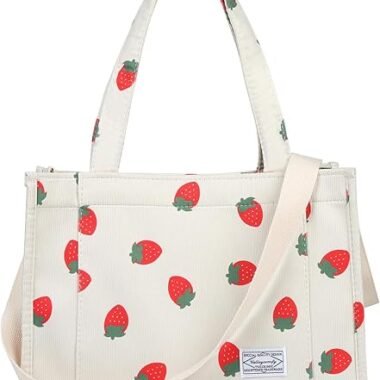
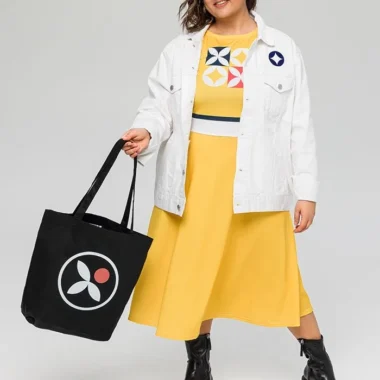
- Printed totes for making statements
Why Tote Bags Have Endured
Several factors explain why tote bags have remained popular for over 80 years. They’re incredibly practical, with open tops that make packing and unpacking easy. The simple design means they’re affordable to produce and purchase. They fold flat for easy storage when not in use. And perhaps most importantly, they’re adaptable—you can use the same tote for groceries one day and beach supplies the next.
The durability of well-made tote bags also matters. A quality canvas or cotton tote can last for years, replacing hundreds of disposable bags. This longevity appeals to both budget-conscious shoppers and environmentally aware consumers.
The Future of Tote Bags
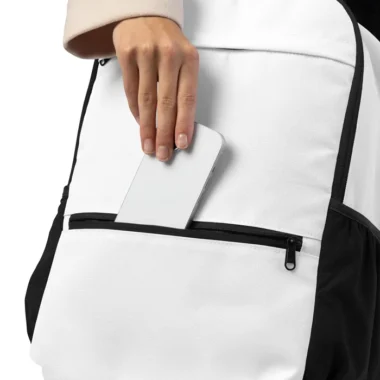
As sustainability becomes increasingly important, tote bags are likely to remain popular. Innovations in materials—like organic cotton, recycled plastics, and plant-based fabrics—are making them even more eco-friendly. Smart designs with pockets, insulation, and specialized compartments are expanding their functionality.
The tote bag has come a long way from L.L. Bean’s Ice Carrier. What started as a simple solution for transporting ice has evolved into a cultural icon that represents practicality, style, and environmental consciousness. Whether you’re using a basic canvas tote from the farmers market or a designer version from a high-end boutique, you’re participating in a tradition that spans eight decades.
The next time you grab your tote bag on the way out the door, take a moment to appreciate its remarkable journey from industrial tool to indispensable accessory. Few products have proven so adaptable, so enduring, and so universally useful.